Which Gate Is Better – Aluminium or Wrought Iron?
If you’re considering a new driveway gate, two of the most popular materials you’ll come across are aluminium and wrought iron. Both are strong, durable, and attractive in their own ways. But which one is better suited to your home?
In this article, we’ll explore the pros and cons of both aluminium and wrought iron gates, and explain why aluminium is increasingly becoming the preferred choice for homeowners across the UK.
1. Wrought Iron Gates
Wrought iron gates are a classic choice. They’ve been used for centuries to create imposing entrances for stately homes, estates, and public buildings.
Benefits of wrought iron gates:
- Strength and security – Wrought iron is exceptionally strong, and heavy gates can be a powerful physical deterrent against intruders.
- Traditional style – Intricate scrollwork and decorative detailing give wrought iron gates an elegant, timeless look.
- Prestige factor – Many people associate wrought iron gates with grandeur and heritage, making them a natural fit for period or historic properties.
Drawbacks of wrought iron gates:
- Maintenance – Wrought iron is highly susceptible to rust. To prevent corrosion, gates must be regularly primed and painted. In the UK’s damp climate, this can be a frequent job.
- Weight – Wrought iron gates are heavy. This means stronger posts, more robust hinges, and more powerful (and costly) automation systems are required.
- Cost – Custom wrought iron gates can be very expensive, especially when handmade by traditional blacksmiths.
- Design limitations – While beautiful, wrought iron gates are limited to certain styles. They often look out of place on modern or minimalist properties.
2. Aluminium Gates
Aluminium gates are a more recent option but have quickly gained popularity due to their versatility and practicality.
Benefits of aluminium gates:
- Low maintenance – Aluminium does not rust, warp, or rot. A high-quality powder-coated finish will last for years with no repainting required.
- Lightweight yet strong – Aluminium gates are far lighter than wrought iron, reducing strain on hinges and making them ideal for automated systems.
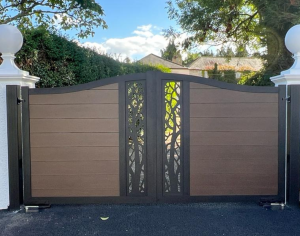
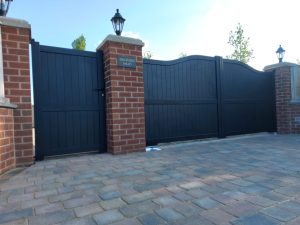
- Customisation – Aluminium can be manufactured in a wide variety of designs. Want something modern and sleek? No problem. Prefer a traditional look? Aluminium can even be finished to mimic the style of wrought iron or timber.
- Longevity – With no risk of corrosion, aluminium gates can last decades with minimal upkeep.
- Eco-friendly – Aluminium is fully recyclable, making it a sustainable choice.
- Cost-effective over time – While the initial price can be similar to wrought iron, aluminium’s lower maintenance needs and longer lifespan make it the more economical choice in the long run.
Drawbacks of aluminium gates:
- Upfront investment – Premium aluminium gates do cost more initially than basic alternatives like softwood. However, they offer significant long-term value.
3. Where Each Material Works Best
So, which gate material is “better”? The answer depends on your property and priorities.
- Wrought iron works well for historic or listed buildings where maintaining a traditional aesthetic is essential. If you own a period home with stone walls and original architectural details, wrought iron gates can complement that heritage feel.
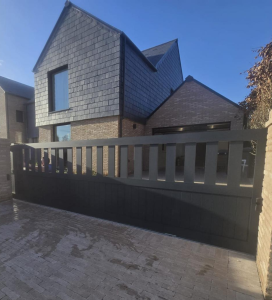
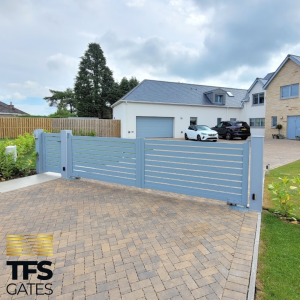
- Aluminium is better suited to modern and domestic properties. Its adaptability means it can look ultra-contemporary or be styled to resemble classic wrought iron — making it a versatile option across property styles. For everyday homeowners, aluminium offers the perfect balance of security, durability, and style.
4. Aluminium Gates: The Smart Choice for Domestic Properties
While wrought iron still has a place for heritage sites and grand estates, aluminium is proving to be the smarter choice for most domestic settings. Here’s why:
- It’s lighter, so it works beautifully with automation.
- It’s low-maintenance, so you don’t have to spend weekends sanding and painting.
- It’s versatile, offering both modern and traditional looks.
- It’s durable, withstanding the UK’s unpredictable weather for decades.
At TFS Gates, we specialise in luxury, bespoke aluminium gates. Whether you want the elegance of traditional wrought iron, the warmth of timber, or the clean lines of a contemporary design, aluminium gives you the look you want with none of the drawbacks.
Final Thoughts
If you’re comparing aluminium and wrought iron, both materials have their place. Wrought iron may be the right choice for certain heritage properties where tradition is everything.
But for most homeowners looking for a stylish, durable, and low-maintenance solution, aluminium is the clear winner. It combines strength with lightness, custom design with practicality, and long-term performance with sustainability.
That’s why more and more people across the UK are choosing aluminium gates for their driveways — and why TFS Gates is proud to help homeowners create entrances that are as functional as they are beautiful.
Thinking About Aluminium Gates for Your Property?
Get in touch with the friendly team at TFS Gates today to explore our range of bespoke aluminium gate options. Whether you’re replacing tired timber gates or upgrading to an automated system, we’ll guide you every step of the way.
👉 Download our free brochure to explore our gate designs and materials in detail
👉 Request a quote and let us help you design the perfect solution for your home
👉 View our gallery for real-world examples of our aluminium gates in action
Looking for high-quality gate hardware? Visit our dedicated hardware site at TFS Direct to browse a full range of hinges, motors, locks, and accessories.
FAQs
While wrought iron is physically denser, aluminium gates are engineered with thick, robust sections that provide excellent strength for domestic use. They’re more than secure enough for residential driveways while being lighter and easier to operate.
Yes. Aluminium can be designed to mimic traditional wrought iron styles, complete with decorative scrolls and detailing. From a distance, most people won’t spot the difference — but you’ll enjoy the benefit of low maintenance and no rust.
Aluminium generally lasts longer. Wrought iron requires regular maintenance to prevent rust, and even with care it can deteriorate over time. Aluminium won’t rust, warp, or rot, giving it a lifespan of several decades with minimal upkeep.
The upfront cost is often similar, depending on design complexity. However, aluminium is more cost-effective in the long run as it doesn’t need expensive maintenance, repainting, or rust repairs.
Absolutely. Aluminium’s lightweight nature makes it perfect for automation. Because it places less strain on motors and hinges than wrought iron, it often results in smoother operation and reduced wear on automation systems.